

Industrial Ice Machines
Choose the Right Ice for Your Project
Compare tube, flake, and block ice by application, output, handling, and site requirements.
Ice Type Overview
Three Ice Forms for Different Applications
From packaged ice to direct-contact cooling and block distribution, each ice form serves a different purpose. Discover where each type is used and what makes it the right fit.

Flake Ice
Thin, irregular flakes for seafood, food processing, and contact cooling.
Explore Flake Ice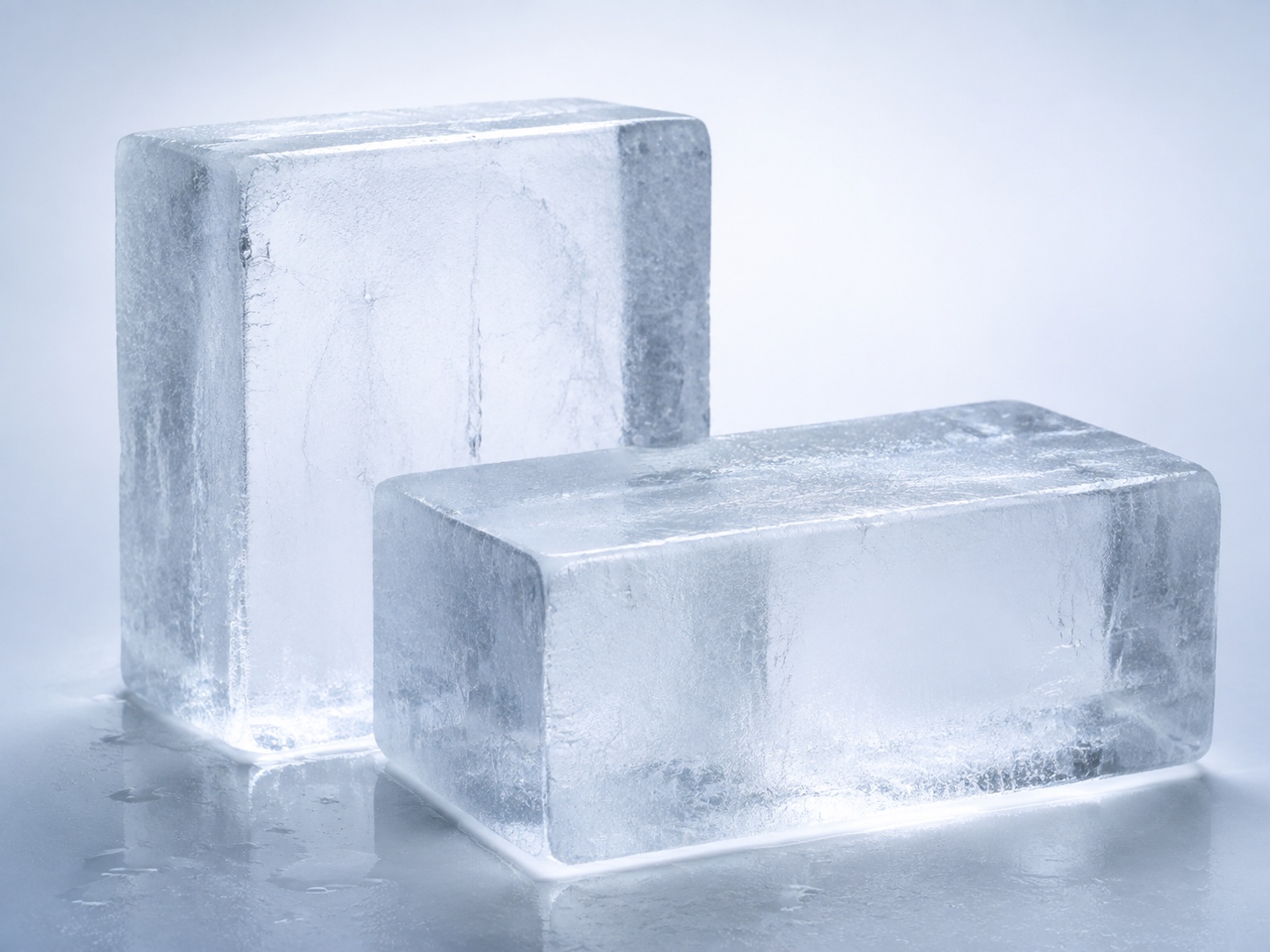
01 · Ice Type Guide
Tube Ice
Recognisable by its cylindrical shape and open centre, tube ice serves both commercial ice production and industrial cooling. The tube dimensions can be selected to suit the way the ice will be packed, handled, and used.
Where it is used
Tube ice is used in beverage service and packaged-ice supply, as well as food handling and seafood chilling. At a larger scale, it can supply commercial ice plants and concrete-cooling systems with storage, conveying, and weighing equipment.
A defined shape. A versatile supply format.
Its regular tube form makes it a practical choice for businesses supplying ice in bags or in bulk. For industrial projects, Jinduo can coordinate ice production with refrigeration, storage, and downstream handling as part of the agreed system scope.
Tube dimensions, daily output, storage, and conveying are selected around your application and site conditions.
02 · Ice Type Guide
Flake Ice
Flake ice is made up of thin, irregular pieces that spread across and around the product being cooled. Its broad contact area makes it particularly suited to direct-contact cooling.
Where it is used
Flake ice is used to chill fish and seafood during handling, storage, and processing. It also supports temperature control in food production, concrete batching, and industrial processes where ice needs to be distributed over or mixed with the material.
Close contact where cooling matters.
The small, thin flakes distribute around uneven surfaces instead of remaining in large, rigid pieces. This gives flake ice broad contact with the product and makes it convenient to spread through a cooling or processing workflow.
Water quality, material requirements, daily output, and ice handling guide the equipment configuration.
03 · Ice Type Guide
Block Ice
Block ice is produced as solid rectangular blocks. Jinduo's direct-cooling machines form the ice in metal moulds, with block weight and dimensions selected to match the intended handling and distribution method.
Where it is used
Block ice suits commercial ice distribution and resale, seafood supply chains, and cold-chain transport. It is a practical format where ice is produced at a central plant and handled or delivered as individual blocks.
Solid blocks. Direct-cooling production.
The defined block format supports organised handling and distribution. Direct cooling forms the ice without a separate brine tank, while the production cycle, automation, and handling equipment can be planned together for the required operation.
Block size, daily output, production cycle, and handling space determine the machine and automation requirements.
Project References
Tube Ice Project References
Explore Jinduo's tube-ice systems for concrete cooling and commercial ice production.
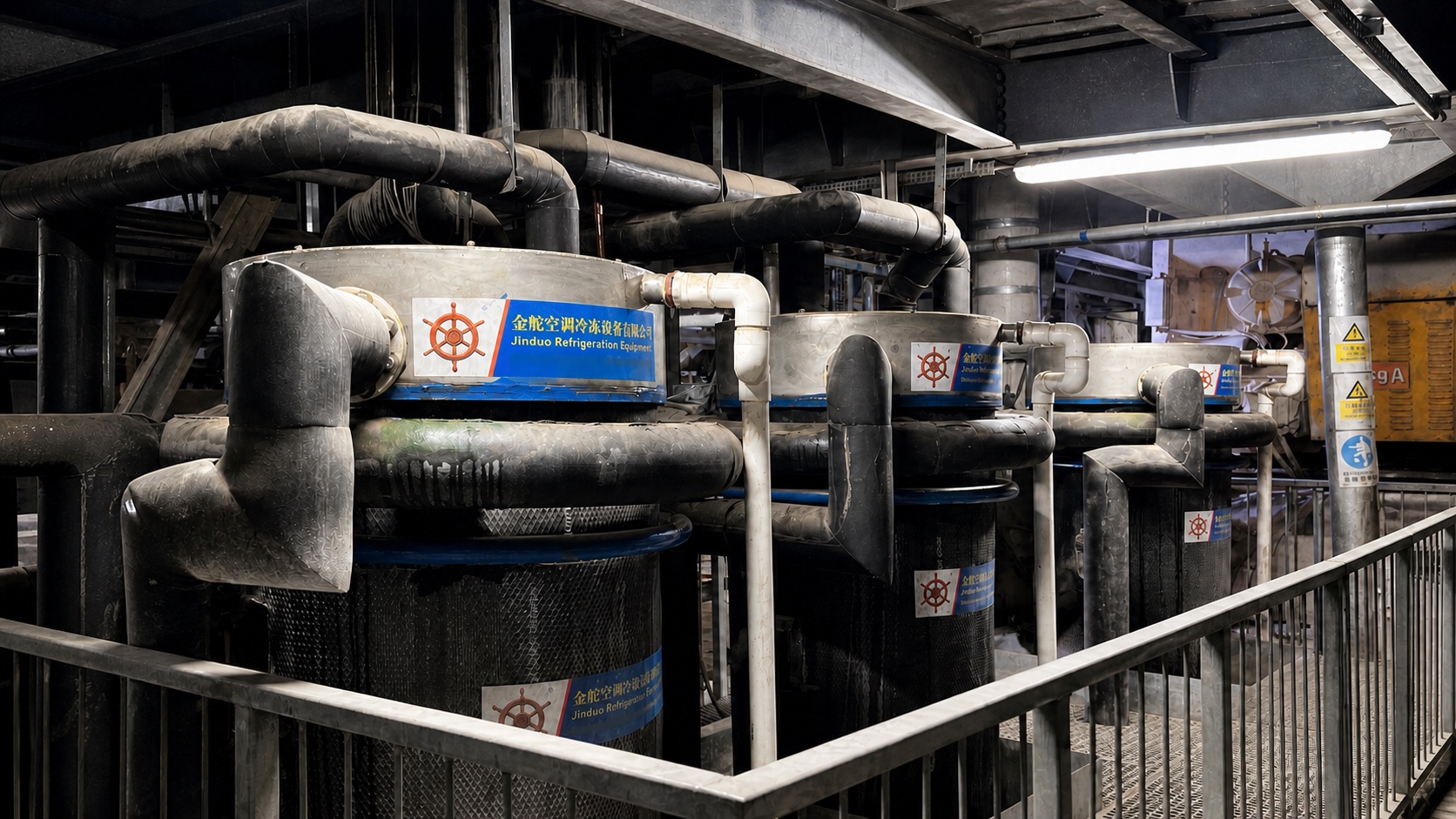
Tube Ice Project · Tsing Yi, Hong Kong · 2019
100 TPD Tube Ice System for Concrete Cooling
A 100 t/day design-capacity system with 45 t of ice storage and coordinated conveying, weighing, and batching-system interfaces.
View Project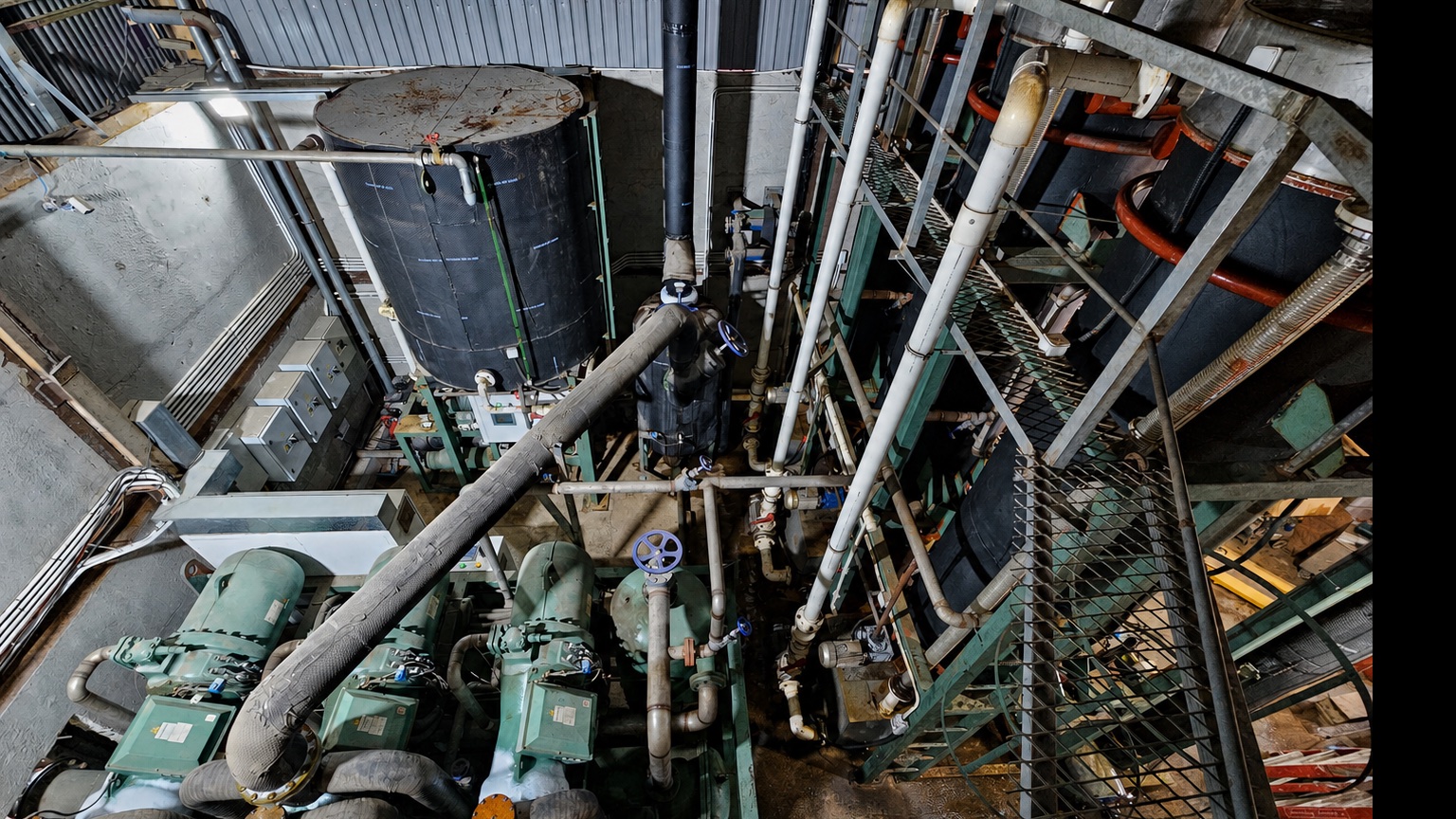
Tube Ice Project · Sheung Shui, Hong Kong · 2021
150 TPD Tube Ice Plant for Commercial Ice Production
Three 50 t/day tube-ice units configured for a combined 150 t/day design capacity, with refrigeration, 200 t ice storage, screw conveying, controls, installation, and commissioning in scope.
View ProjectPlan Your Ice Project
Tell Us the Ice You Need
Send the required ice type, daily output, application, utilities, project country, and site conditions. Our team will clarify the equipment and integration scope needed for quotation.