Skip to content
Request a Quote

Direct-cooling block ice

Block Ice
Machines

See the harvest. Plan the whole process.

Block format, production demand and handling —
brought together for your project.
Discuss Your Requirement
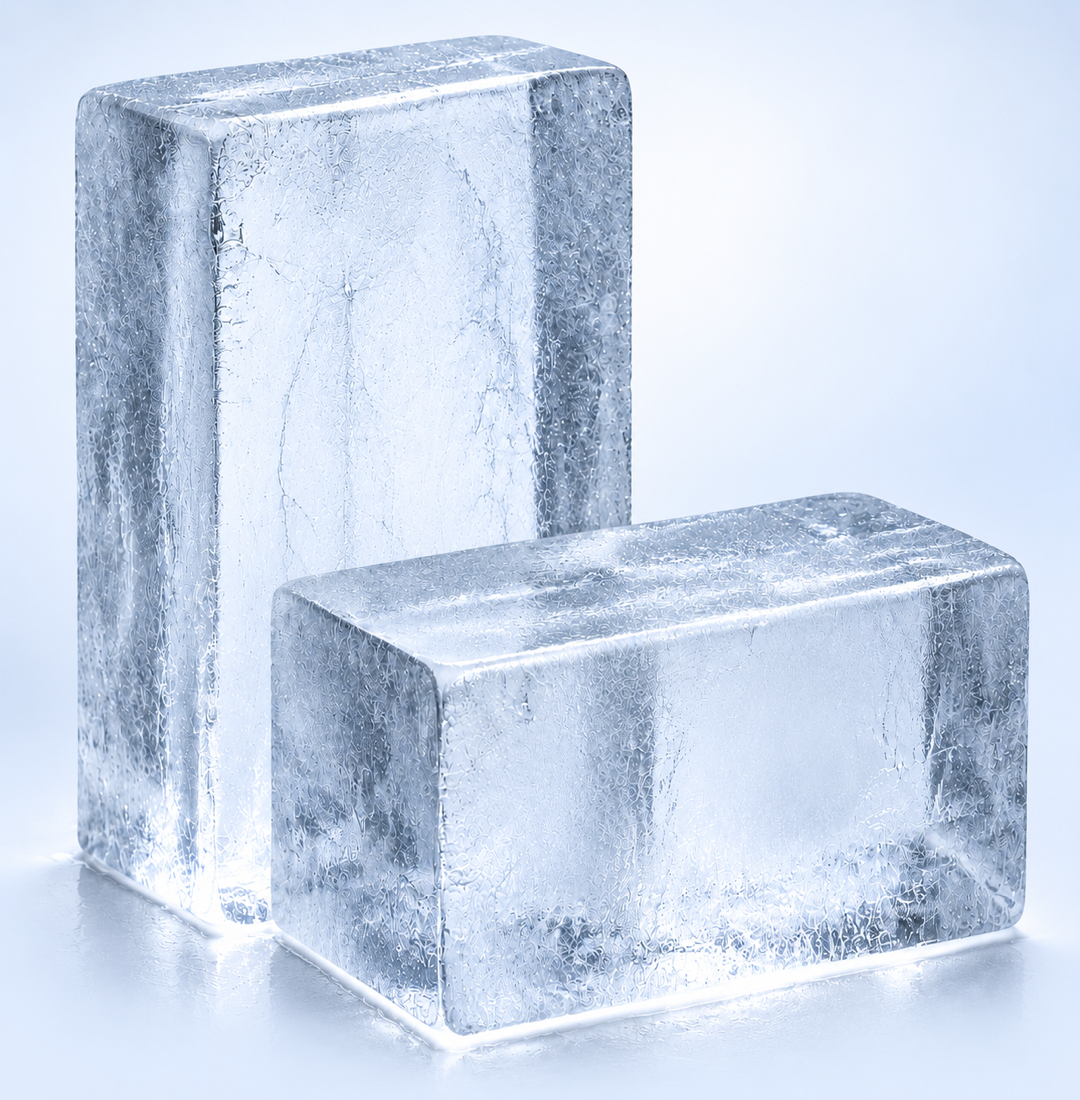
Two solid rectangular ice blocks showing the block ice format

The ice & the process

Solid ice.
A defined handling format.

Block ice is formed in metal moulds. Select the block format around storage, transport and use.
Direct cooling
Plan the mould and release arrangement together.
Ice handling
Define the route from harvest to storage and distribution.
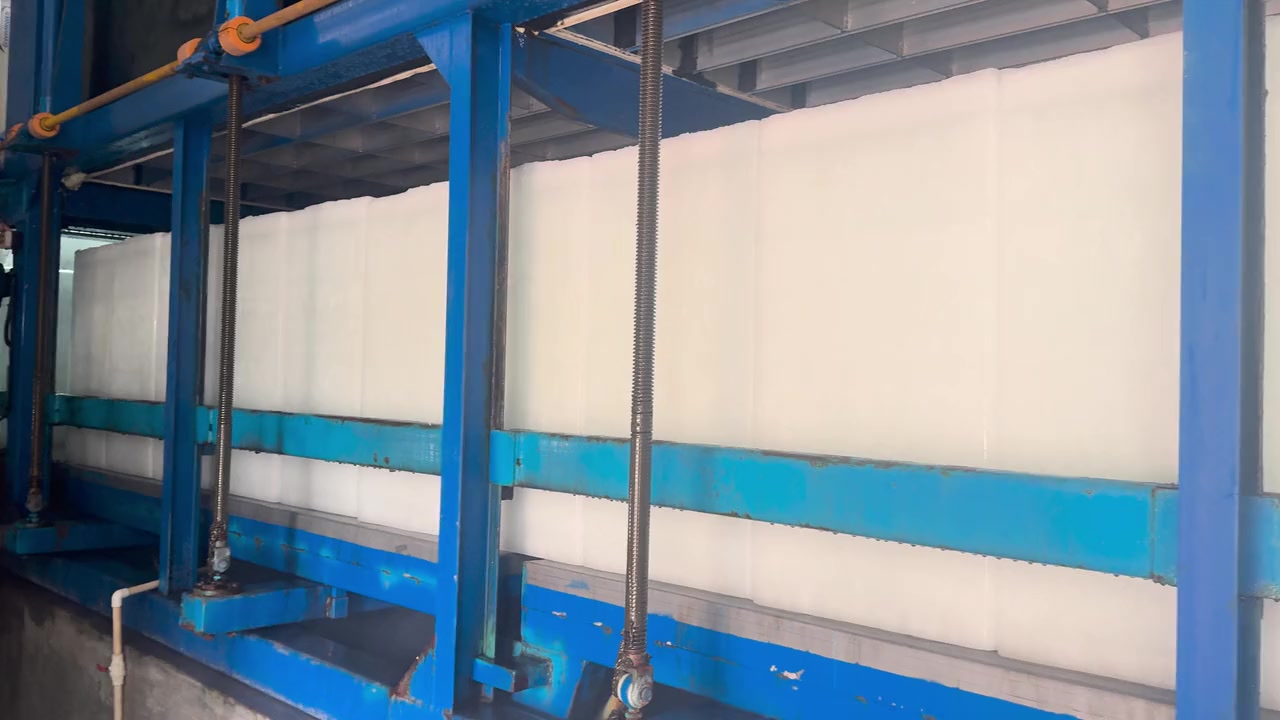
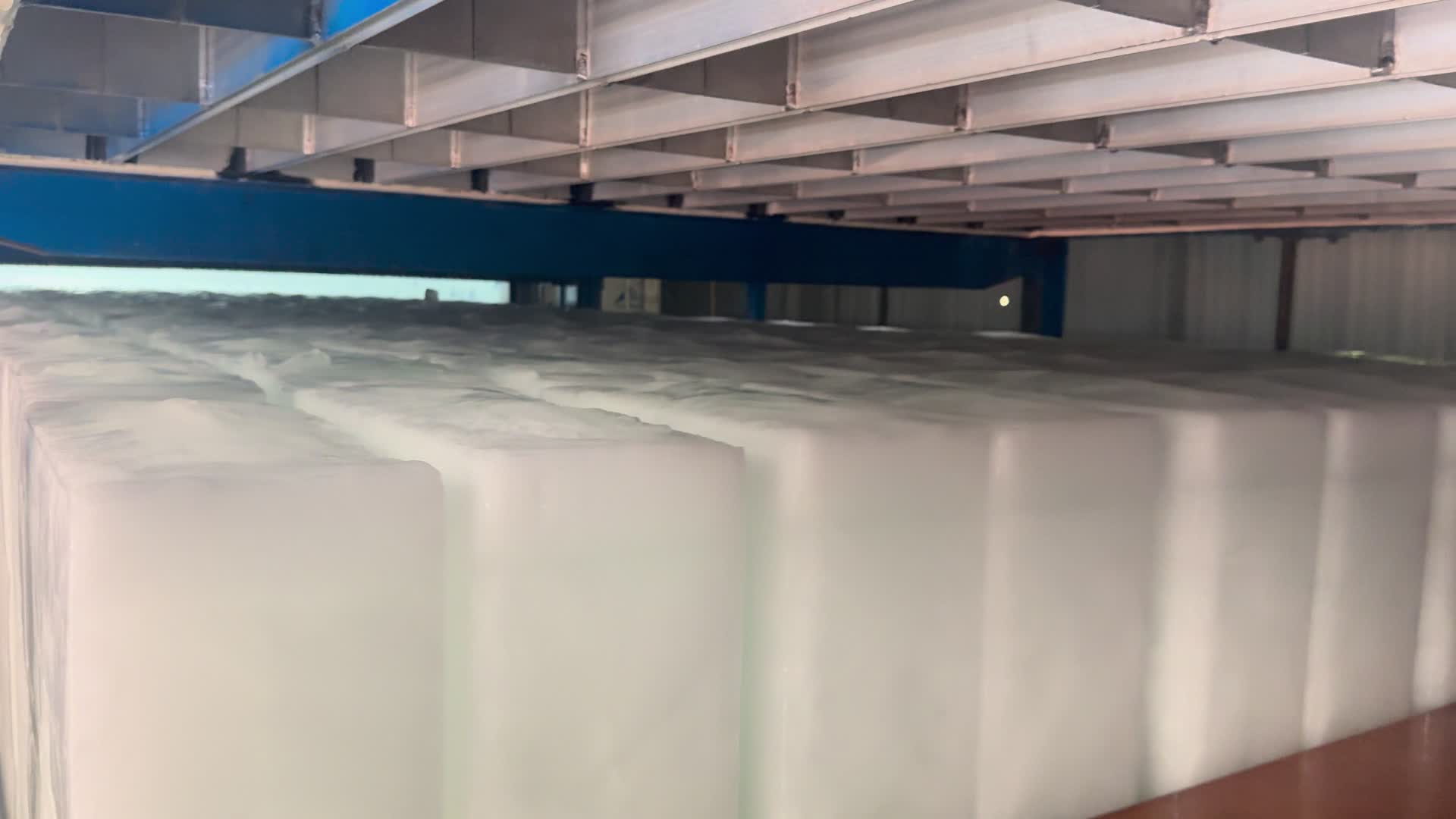
Rows of freshly released ice blocks below the block ice machine

Applications

Start with the way you use ice.

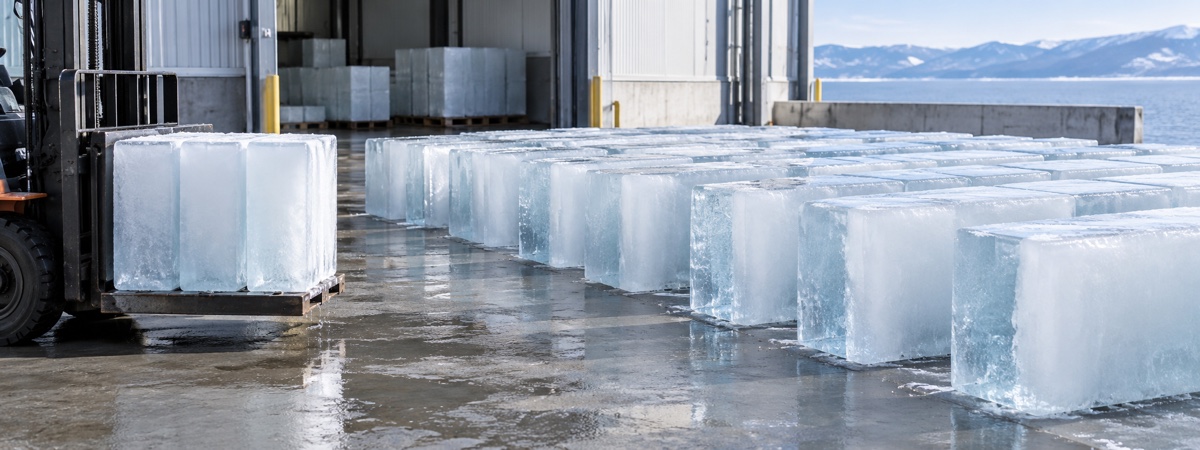
Illustrative ice distribution setting with rectangular ice blocks ready for loading

Ice distribution

Block ice for wholesale, resale and local delivery. Plan the storage capacity, loading route and delivery schedule around your market.
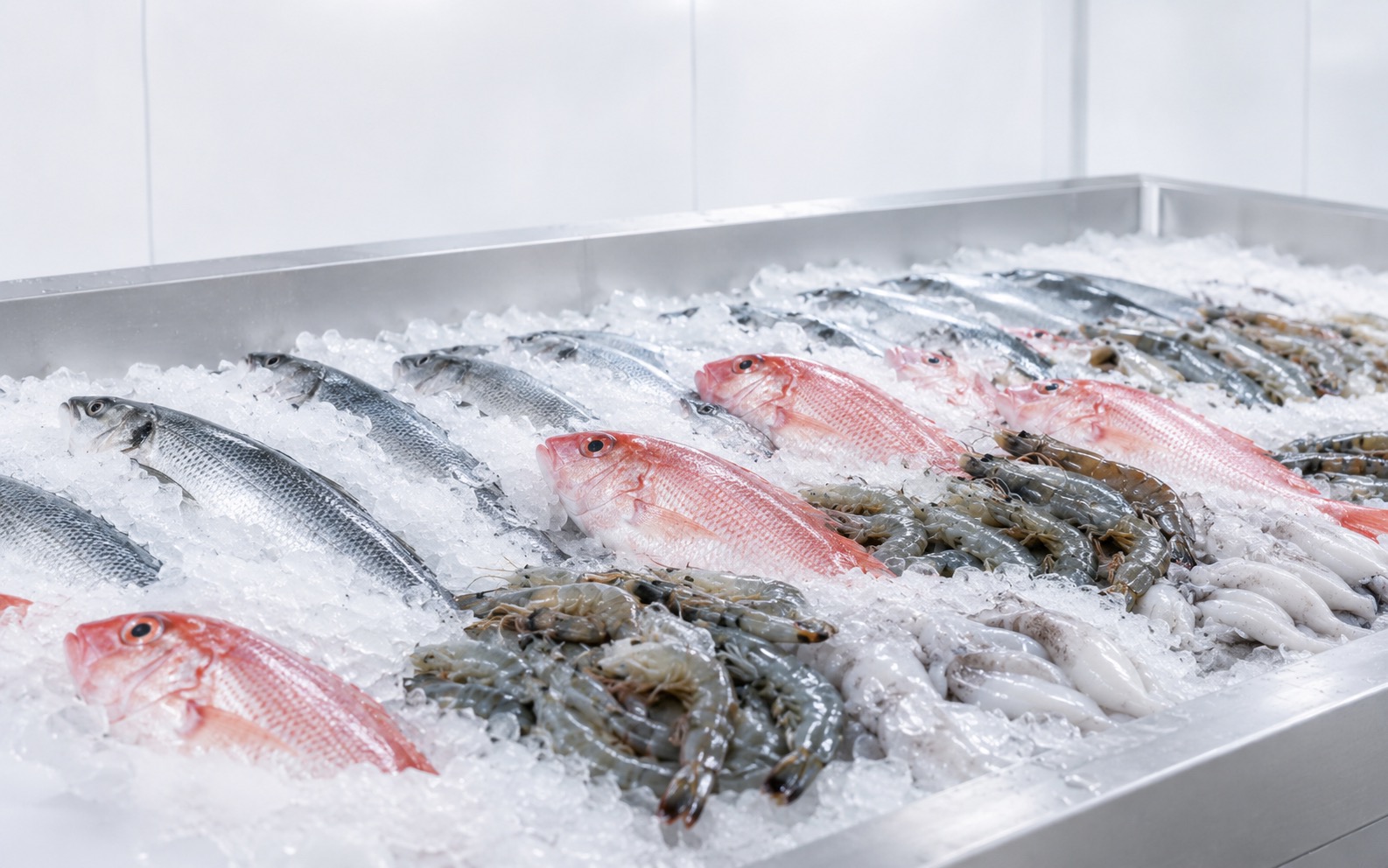
Seafood surrounded by crushed ice for contact cooling

Seafood & cold-chain handling

Ice supply for fisheries, seafood handling and transport. Include a crushing step where smaller ice is needed around the product.

Block ice technology

Traditional brine vs.
direct cooling.

Our block ice range now uses direct cooling. We no longer manufacture brine-type machines.

No longer manufactured

Traditional
brine system

Current Jinduo range

Direct-cooling
system

Cooling method
Traditional brine system: An external chilled brine bath cools the water through removable ice cans.
Direct-cooling system: Refrigerant cools the water through evaporator mould walls, without a brine bath.
Ice release
Traditional brine system: Cans are lifted out, thawed in a water bath and tipped to release the blocks.
Direct-cooling system: Blocks are released at the machine and collected using the selected harvest arrangement.
Production flow
Traditional brine system: Fill → Immerse → Freeze → Lift → Thaw → Tip
Direct-cooling system: Fill → Freeze → Release → Collect
Routine maintenance
Traditional brine system: Manage brine concentration, tank cleanliness and corrosion protection.
Direct-cooling system: No brine-bath upkeep. Water-system cleaning and refrigeration servicing still apply.
Plant layout
Traditional brine system: Allow space for the brine tank, can lifting and a separate thawing area.
Direct-cooling system: Plan the machine, ice-release access and storage route without a brine tank.

Equipment configuration

Plan the machine.
Then the handling.

The block format and daily demand are the starting point. Define refrigeration, ice release, storage and delivery as one working process.

01Block format & productionBlock weight · dimensions · daily demand

Begin with the desired block weight and dimensions, together with the amount of ice you need each day. Batch size, freezing cycle and operating schedule are defined in the final equipment proposal.

02Refrigeration & site conditionsWater · ambient conditions · utilities

Review inlet-water temperature, ambient conditions, water quality and available utilities. Select the refrigeration and heat-rejection arrangement, then confirm the equipment scope and project interfaces.

03Storage & ice handlingHarvest · storage · delivery

Plan the route from ice release to storage and delivery, including access and loading. If the blocks will be crushed, define the crusher and required throughput as part of the handling process.

Your next ice system

Let’s define your
block ice system.

Share your daily ice demand, desired block weight and project location. We’ll help define the equipment and the process around it.

Start Your Inquiry